
Post
Family Travel Luggage Guide: Finding the Right Bags for the Whole Family
Jun
Travelling with a family presents luggage challenges that solo travellers never encounter. Between the sheer volume of clothing for multiple people, the additional equipment young children require, and the logistical challenge of managing multiple bags across airports and hotels, family travel is genuinely complex. The right luggage system can make the difference between a chaotic, stressful experience and a smooth, enjoyable journey. Here is a comprehensive guide to choosing luggage for family travel. Family Travel Luggage Guide
**Assessing Your Family’s Luggage Needs** Family Travel Luggage Guide
The first step in building a family luggage system is understanding what you actually need to transport. Families with infants and toddlers have very different requirements from those travelling with school-age children or teenagers. Family Travel Luggage Guide
Infants require nappies, wipes, formula or baby food, a travel cot, a pushchair, baby monitor, and multiple changes of clothing for every day of the trip — plus extra for spills and accidents. This is a significant volume of equipment, and most families find that a large checked bag per adult plus a well-organised cabin bag is necessary for infant travel. Family Travel Luggage Guide
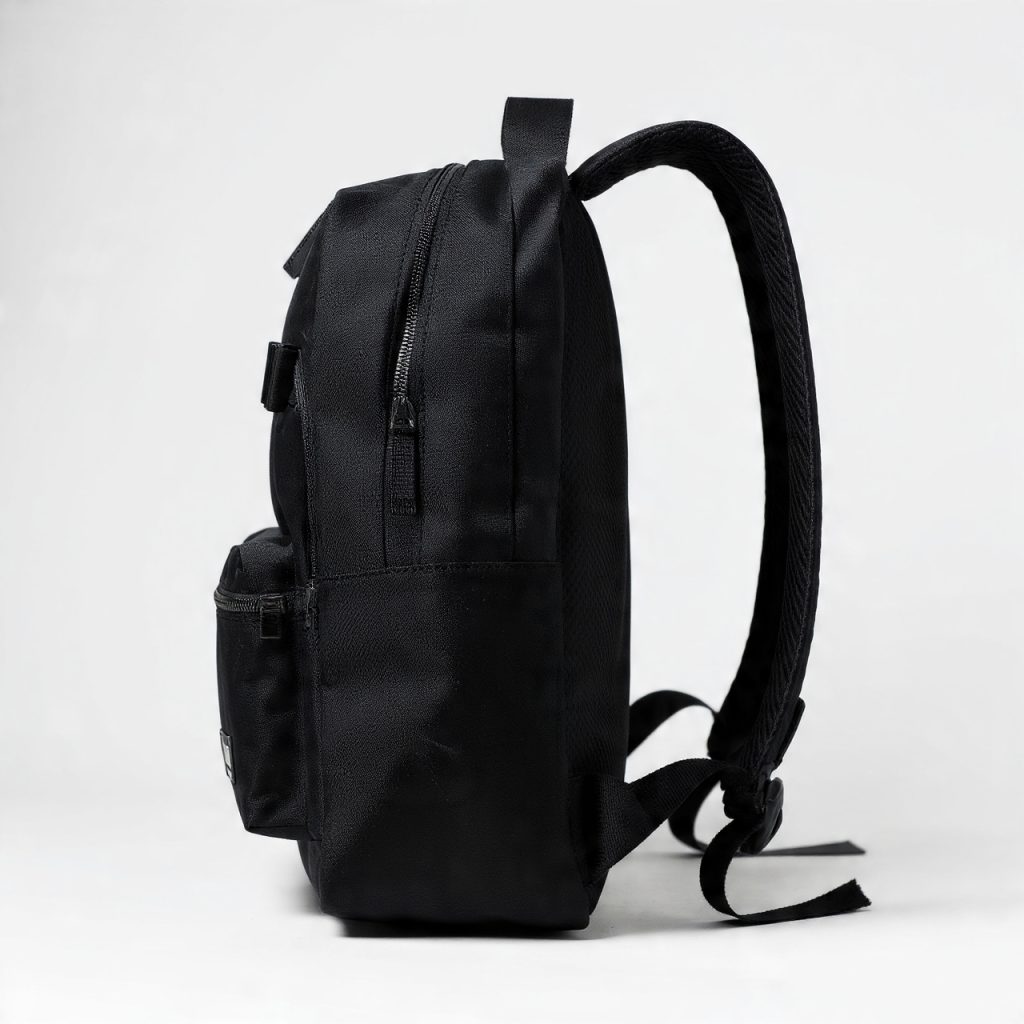
Toddlers and young children add toys, books, colouring materials, snacks, and their own clothing to the equation. As children grow, however, they can increasingly carry their own small bags — a child-sized rolling suitcase or a small backpack gives even a three-year-old a sense of independence and involvement in the journey. Family Travel Luggage Guide
Teenagers, meanwhile, can reasonably be expected to manage their own packing and luggage, reducing the organisational burden on parents considerably. Family Travel Luggage Guide
**The Family Luggage System** Family Travel Luggage Guide
Most experienced family travellers organise their luggage according to a system rather than packing each family member’s belongings independently. The system approach might look like this: Family Travel Luggage Guide
One large checked bag per adult, containing the bulk of clothing for the family, packed by clothing type rather than by person. All tops in one compression bag, all bottoms in another, swimwear and beach gear in a third. This makes finding specific items easy regardless of who packed what.
One carry-on per adult, containing all the items needed for the flight and the first hours of the trip — snacks, entertainment, travel documents, medications, valuables, and a change of clothes for each child.
One small rolling suitcase or backpack per child old enough to manage one, containing their own entertainment, snacks, and a few favourite toys. Children as young as four can manage small rolling bags through airports and feel proud doing so.
**Choosing the Right Bags**
For checked bags used in family travel, durability is the primary consideration. Family bags are packed heavily, checked frequently, and need to survive repeated trips through baggage handling systems. Choose bags made from durable polycarbonate or ballistic nylon, with high-quality wheels that will not fail under a heavy load.
Colour and recognition are also important. On a busy baggage carousel with multiple bags in transit, being able to instantly identify your family’s cases saves time and prevents the embarrassment of accidentally claiming someone else’s bag. Choose bags in distinctive colours or patterns, add colourful luggage tags, or use luggage straps in a recognisable colour.
For children’s bags, lightweight is critical. A bag that is too heavy for a child to manage defeats the purpose of having them carry it. Child-sized rolling cases in the 16 to 20 inch range are appropriate for younger children, while tweens and teenagers can manage adult carry-on sizes. Look for bags with smooth spinner wheels — children find spinner bags much easier to manoeuvre than two-wheel trolleys.
**Packing for a Family**
Family packing is a significant undertaking, and a structured approach saves time, reduces stress, and prevents forgotten essentials.
Start packing several days before departure. Begin with the items you are least likely to need in the days before travel — out-of-season clothing, rarely used toiletries, books and entertainment. Leave daily-use items until the night before.
Create a master packing list covering every member of the family, organised by category. Share the list with older children and involve them in checking items off — this builds responsibility and ensures nothing is missed.
Use packing cubes or compression bags to keep each family member’s clothing separate within shared bags. Even if the bag itself is not organised by person, having each person’s clothes in their own labelled cube makes distribution at the hotel effortless.
**Managing Luggage Through the Airport**
Airports with young children are notoriously stressful, and luggage management is a significant part of that stress. A few strategies help:
Use a luggage trolley from the moment you arrive. Most airports provide them free of charge, and loading all bags onto a trolley frees hands for managing children through crowds and security.
Prepare for security well in advance. Ensure all liquids are accessible and in the approved bag. Remove tablets and large electronics from bags before reaching the security belt. Have all boarding passes and identification ready. The more prepared you are, the smoother the screening process.
If travelling with a very young child and a pushchair, check the pushchair at the gate rather than at check-in. This allows you to use the pushchair all the way to the gate, where it is taken and placed in the hold. It is returned to you at the aircraft door on arrival.
**Special Equipment**
Families often travel with equipment beyond standard clothing and accessories. Car seats, travel cots, high chairs, and sports equipment all require consideration.
Car seats can typically be checked free of charge by most airlines. Use a dedicated car seat travel bag to protect the seat from damage in the hold. Travel cots and high chairs may count as additional luggage depending on the carrier — always check before you fly.
Sports equipment including surfboards, skis, bicycles, and golf clubs typically requires special handling and additional fees. Many families rent equipment at their destination rather than transporting it, which is often more economical when fees are factored in.
**Returning Home**
Any experienced family traveller knows that the return journey invariably involves more luggage than the outward trip. Souvenirs, gifts, and accumulated holiday purchases all need to make it home. Planning for this on the outward journey — either by packing a foldable soft bag inside your check-in luggage, or by leaving deliberate space — saves the anxiety of trying to fit everything at the hotel the night before departure.
Alternatively, many families ship non-essential purchases home using courier services, particularly for large, fragile, or valuable items. This eliminates the stress of fragile items in checked luggage and can be more cost-effective than excess baggage fees.
