
Post
Carry-On Luggage: Everything You Need to Know Before You Fly
Jun
Carry-on luggage has become the preferred choice for millions of travellers worldwide, and it is easy to understand why. Avoiding checked baggage fees, bypassing baggage claim, and maintaining total control of your belongings throughout your journey are compelling advantages that keep travellers returning to carry-on-only travel again and again. But navigating airline size restrictions, TSA regulations, and the art of packing light requires knowledge, preparation, and the right bag. Here is everything you need to know about carry-on luggage before you fly. Carry-On Luggage
**What Is Carry-On Luggage?** Carry-On Luggage
Carry-on luggage refers to bags small enough to be stored in an aircraft’s overhead compartment or under the seat in front of you during flight. These bags remain with you throughout your journey, unlike checked luggage, which is loaded into the aircraft’s hold. Carry-On Luggage
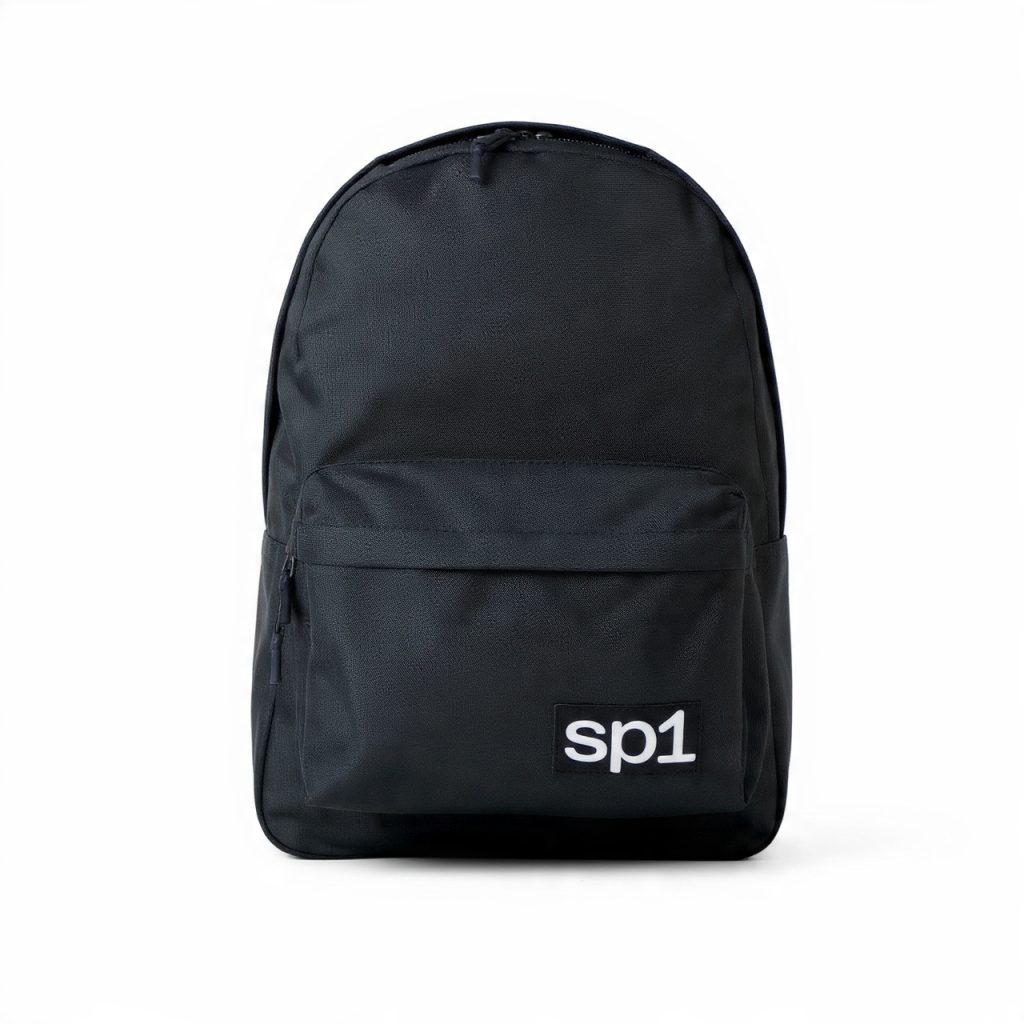
There are two distinct categories of carry-on luggage. The first is the overhead bin bag — the main carry-on suitcase stored above your seat. The second is the personal item, a smaller bag such as a backpack, purse, or laptop bag that slides under the seat in front of you. Most airlines allow passengers to bring one of each.
**Airline Size Restrictions**
The most critical fact about carry-on luggage is that size restrictions vary between airlines, and exceeding these limits can result in your bag being gate-checked — meaning it is taken from you at the boarding gate and placed in the hold, often at significant cost. Always check your specific airline’s carry-on dimensions before you fly.
The most common carry-on size limit is approximately 56 x 36 x 23 centimetres, though this varies. Full-service international carriers such as British Airways, Lufthansa, and Singapore Airlines generally allow the standard 56 x 36 x 23 centimetre bag. Budget carriers including Ryanair and easyJet have stricter limits, with Ryanair allowing only 40 x 20 x 25 centimetres for free, with the standard overhead bin bag incurring an additional fee. American carriers generally follow FAA guidelines allowing a bag of approximately 56 x 35 x 22 centimetres.
Always measure your bag with it fully packed before heading to the airport. A bag that fits within the dimensions when empty may not do so when full.
**Weight Limits**
In addition to size restrictions, many airlines impose weight limits on carry-on luggage. These typically range from seven to twelve kilograms depending on the carrier. Budget airlines tend to have stricter weight limits, while full-service carriers are often more generous. Always check your airline’s specific weight allowance.
This weight limit makes choosing a lightweight bag essential. A carry-on that weighs two and a half kilograms empty leaves only four and a half kilograms for your belongings on a seven kilogram allowance — barely enough for a week’s worth of clothes. Look for bags with an empty weight of two kilograms or less.
**Choosing the Right Carry-On**
When selecting a carry-on bag, consider the following factors:
Size: Choose a bag that comfortably fits within the most restrictive size limits you expect to encounter, particularly if you fly budget airlines. A bag that is too large will either be refused or cost you money at the gate.
Weight: As noted, an empty weight of two kilograms or less is ideal for maximising your packing allowance.
Wheels: Four-wheel spinner bags glide effortlessly through airports and reduce strain during long terminal walks. Two-wheel trolley bags are more durable on rough surfaces.
Durability: Carry-on bags take significant abuse — they are shoved into overhead bins, pressed against hard surfaces, and frequently overpacked. Choose a bag with reinforced corners, robust zippers, and high-quality wheels.
Organisation: Good interior organisation helps you pack efficiently and access items quickly during transit. Look for multiple internal compartments, a laptop sleeve if you travel with one, and external pockets for quick access to passports and boarding passes.
**TSA and Security Regulations**
Carry-on bags pass through airport security and must comply with transportation security regulations. The most important restriction concerns liquids: in the United States and most of the world, liquids, gels, and aerosols must be in containers of 100 millilitres or less, placed in a single clear resealable bag measuring no more than one litre. This bag must be removed from your carry-on and placed separately in the security tray.
Laptops and large electronics must also be removed from your bag and placed in a separate tray. Some newer security systems, particularly those using CT scanners, allow electronics to remain in bags — look for signage at your specific security checkpoint.
**What to Pack in Your Carry-On**
Every seasoned traveller knows that certain items should always travel in the cabin, regardless of how much luggage you are checking:
Travel documents: Passport, boarding passes, visas, and any essential documents. Never check these.
Valuables: Jewellery, expensive electronics, and anything irreplaceable.
Medications: Particularly prescription medications. If your checked bag is lost, being without essential medication is a serious problem.
A change of clothes: In case your checked bag is delayed, having one outfit in your carry-on ensures you are not stranded in yesterday’s clothes.
Laptop or tablet: Airlines prohibit large lithium batteries in checked baggage, and electronics are vulnerable to damage in the hold.
Portable battery packs: These must be in carry-on luggage by most airline regulations.
Entertainment and comfort: Books, headphones, an eye mask, and a neck pillow make long-haul flights considerably more bearable.
**Mastering Carry-On-Only Travel**
Many experienced travellers aim to carry on only, entirely avoiding checked bags. This requires disciplined packing but delivers enormous benefits: no baggage fees, no waiting at baggage claim, no risk of lost luggage, and the freedom to move through airports quickly.
Key strategies for carry-on-only travel include choosing versatile clothing in neutral colours that can be mixed and matched, wearing bulkier items rather than packing them, using packing cubes to compress clothing, and embracing minimalism in your toiletry bag.
With the right approach and the right bag, carry-on-only travel is achievable for trips of a week or even longer and transforms the airport experience from an ordeal into a seamless transition.
